GYROSCOPE
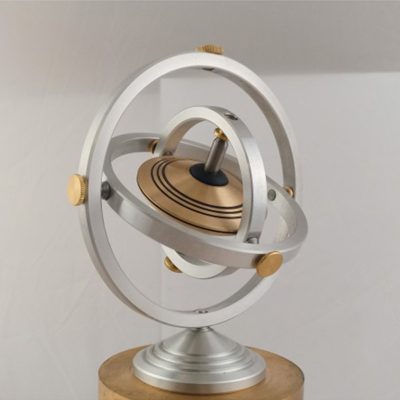
Discover our gyroscopes and spinning tops, anti-stress objects that defy the laws of physics with extremely fast, hypnotic rotations. The gyroscopic effect is fascinating and makes for a great moment of relaxation.
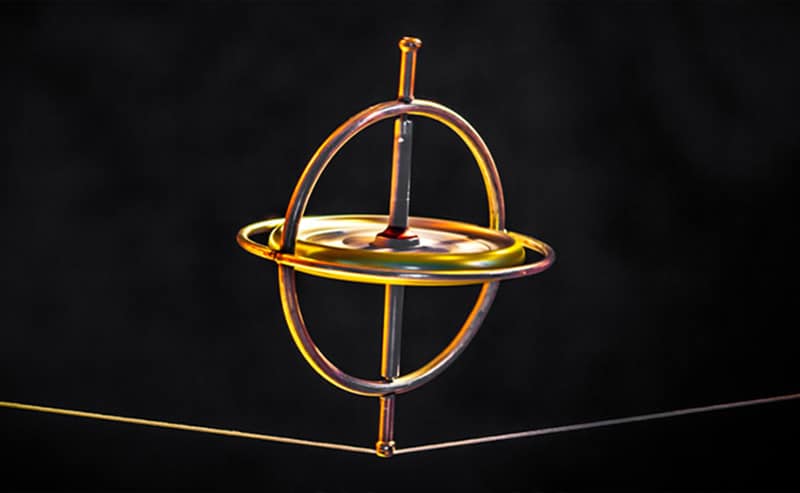
Discover our gyroscopes and spinning tops, anti-stress objects that defy the laws of physics with extremely fast, hypnotic rotations. The gyroscopic effect is fascinating and makes for a great moment of relaxation.
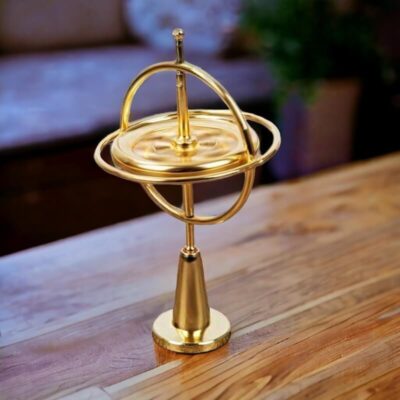
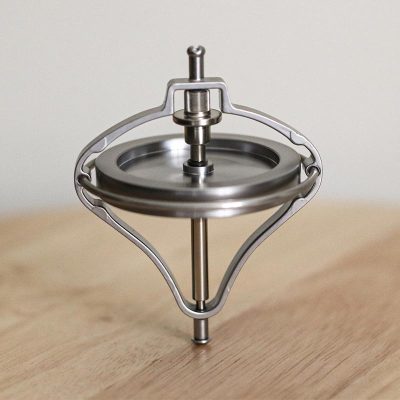
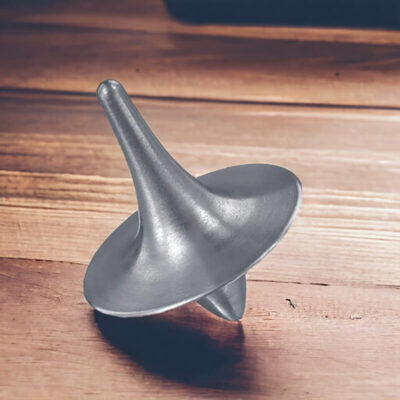
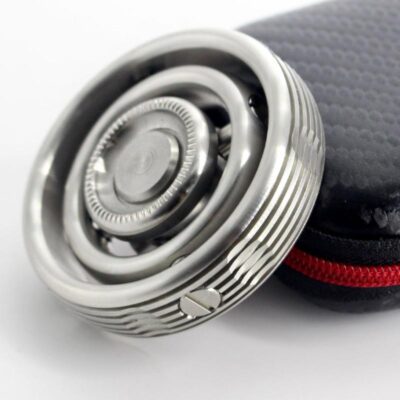
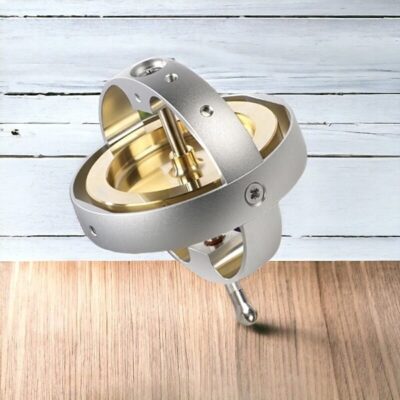
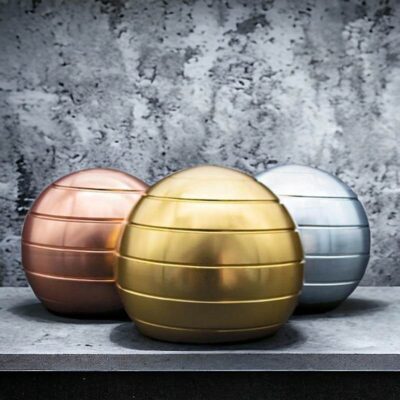
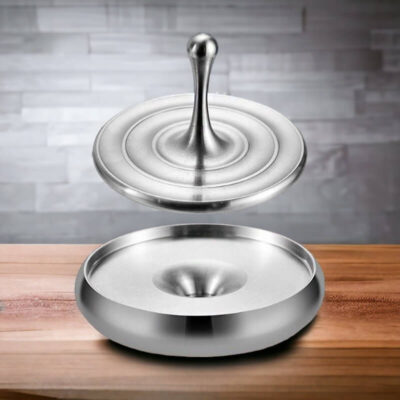
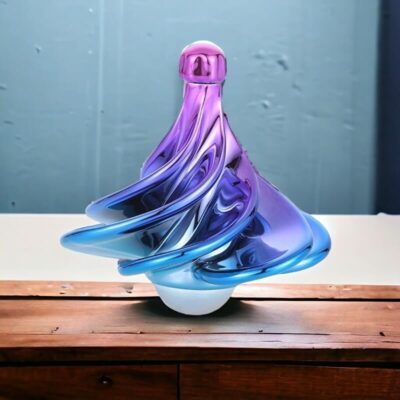

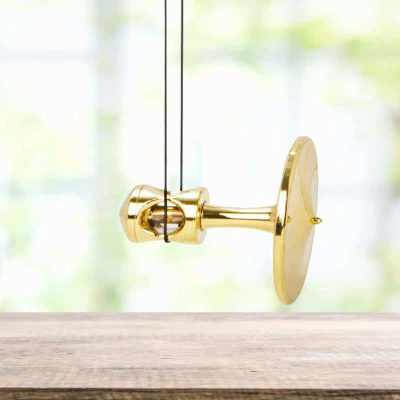
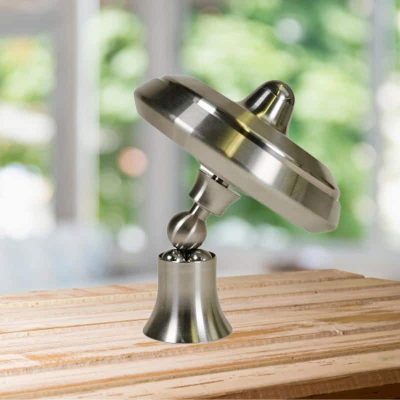
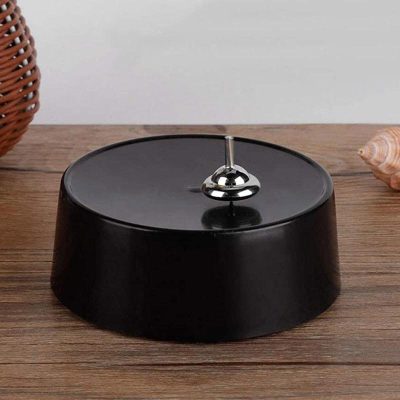
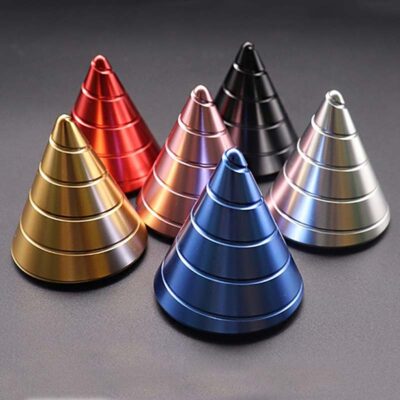
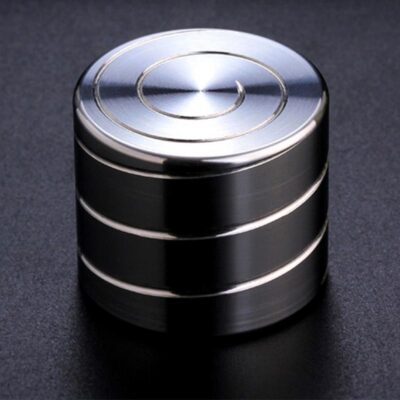
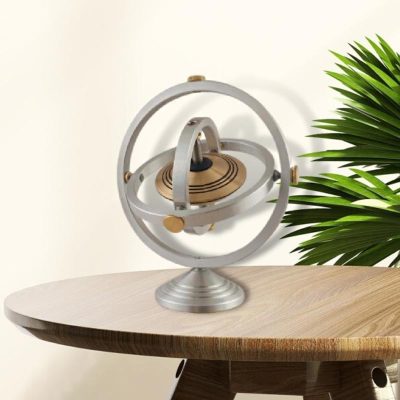
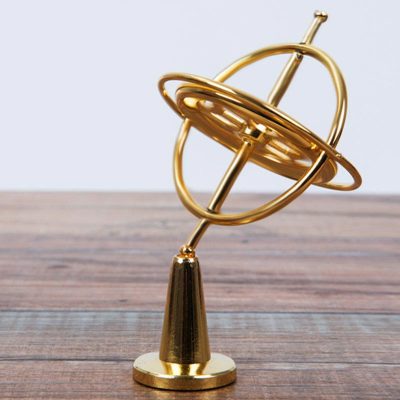
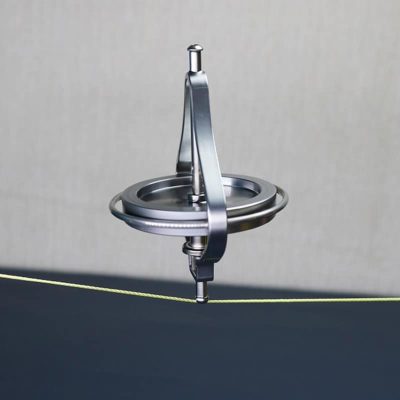
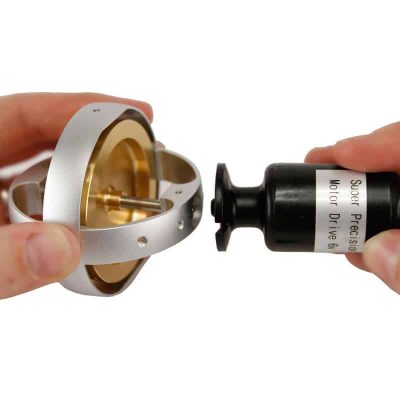
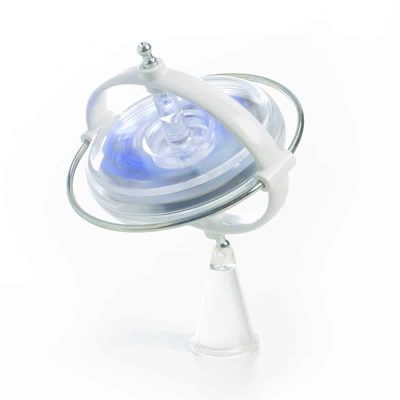
A gyroscope is a spinning wheel mounted so that it can tilt freely. Once spinning, it resists any change to its axis: balance it on a fingertip, a string or the edge of a stand and it stays upright, apparently defying gravity. The effect is conservation of angular momentum, the same principle that keeps a bicycle upright and steers spacecraft. Desk gyroscopes, spinning tops and precision models all rely on it.
🌀
From 8 upwards. A gyroscope balancing on a fingertip or a string is the demonstration of angular momentum that every physics teacher wishes they had.
🎁
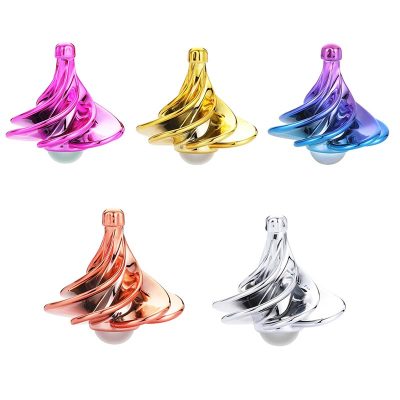
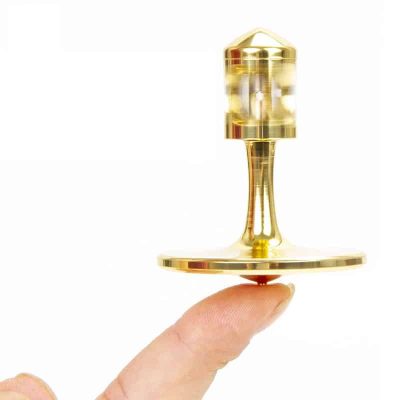
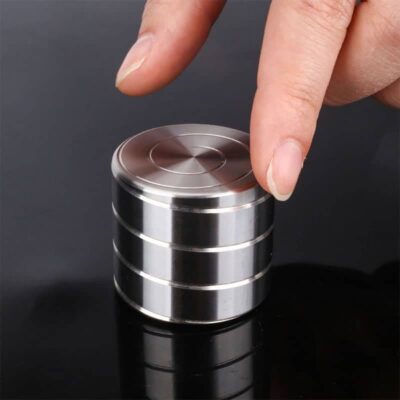
Metal spinning tops, precision gyroscopes and brass models for engineers, scientists and collectors.
⚙️
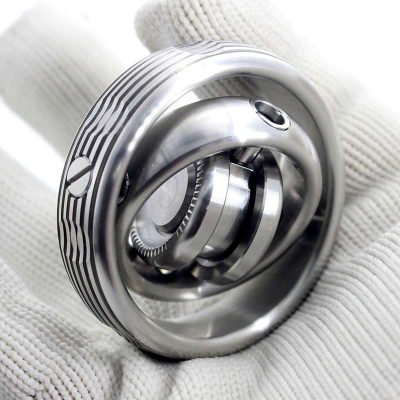
Machined metal, balanced rotors, satisfying spin times. Objects to handle as much as to display.
Pick by what you want to do with it: demonstrate physics, fidget quietly at a desk, or own a machined instrument that spins for minutes.
| Type | Best for | Spin time | Price |
|---|---|---|---|
| Classic gyroscope toy | Physics demonstrations, ages 8+ | 1 to 2 minutes | £20 to £30 |
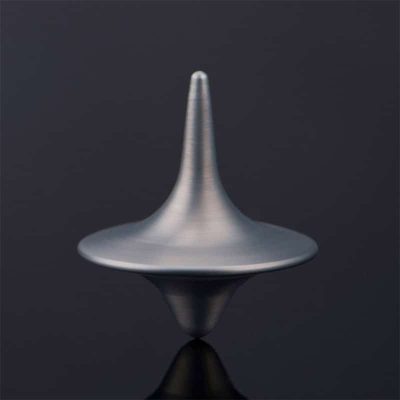
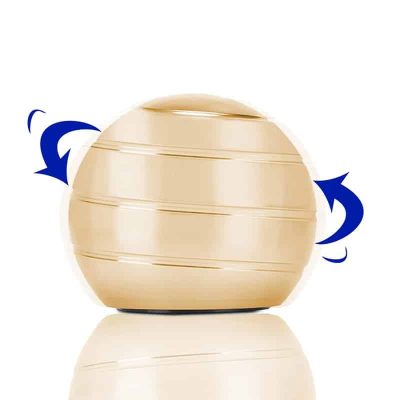
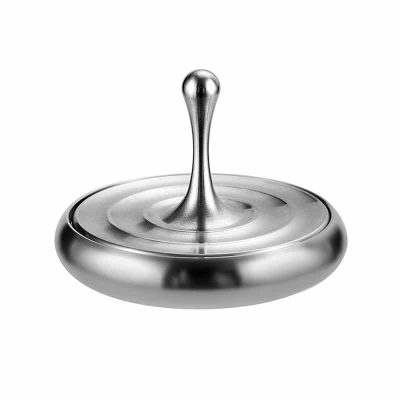
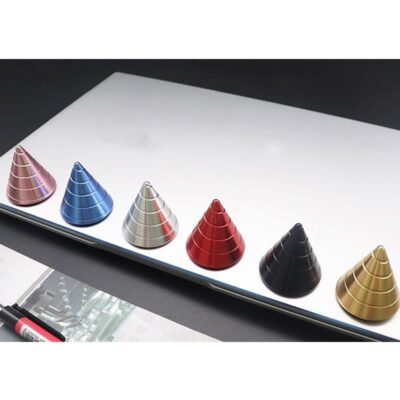
| Metal spinning tops | Silent desk fidgets, adults | 3 to 8 minutes | £20 to £30 |
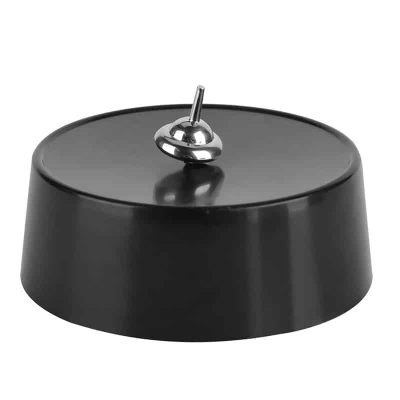
| Antigravity and precision gyroscopes | Balance tricks, collectors | 5 to 10 minutes | £30 to £60 |
| Brass and antique style gyroscopes | Display, gifts, instrument lovers | varies | £60 to £222 |
Most gyroscopes start with a pull string or a finger flick; precision models come with a stand and a launcher. None need batteries.
A spinning mass has angular momentum along its axis, and changing the direction of that axis needs a torque. Gravity pulling on a tilted gyroscope supplies a torque, but instead of falling the axis swings sideways: precession. The faster the spin, the slower and steadier the precession.
Free UK delivery over £45 and 30 days to return it. For momentum along a line rather than around an axis, the Newton's cradles complete the lesson.