


(6)
£14,99

(9)
£23,99
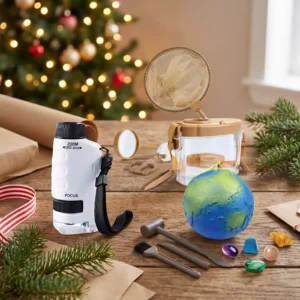
What is a dig kit?
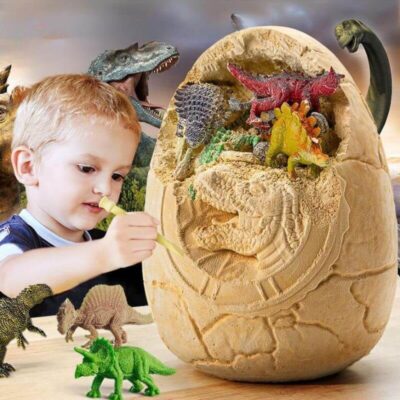
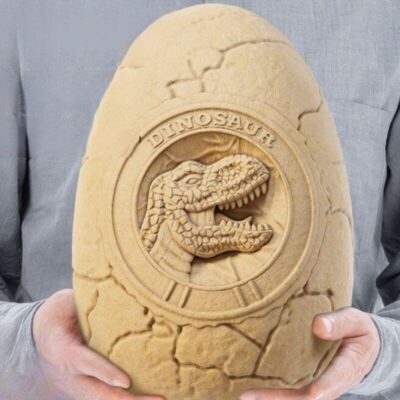
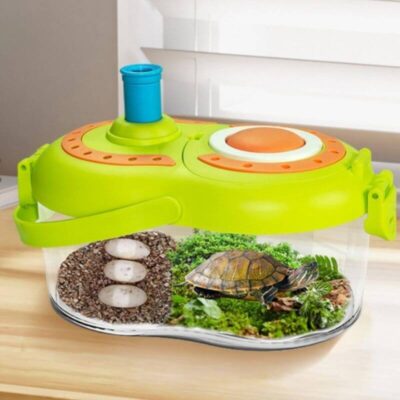
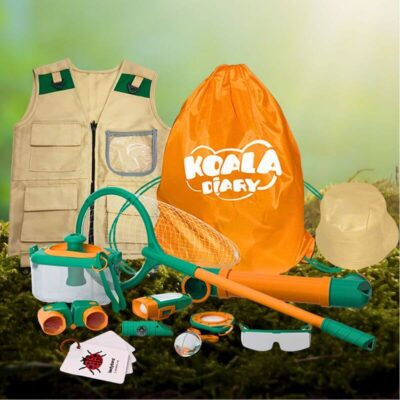
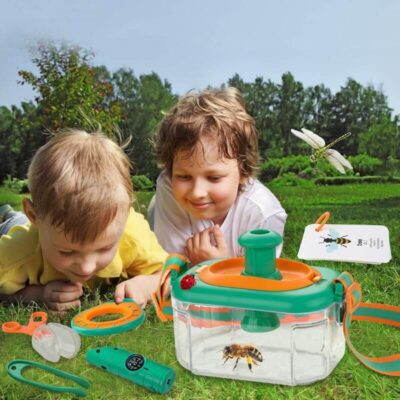
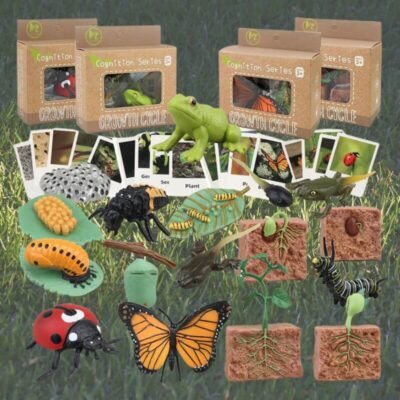
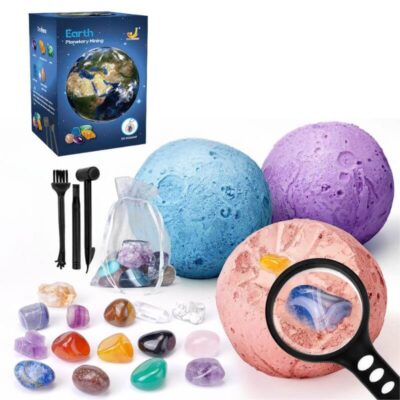
A dig kit is a block of plaster, shaped as a dinosaur egg, a planet or a rock, with real gemstones or dinosaur figures hidden inside, plus a hammer, a chisel and a brush to excavate them. The rest of this collection turns the same curiosity outdoors: bug catchers and viewers, insect habitats, an explorer kit, life cycle figures and a living slime mould. Science for a child who already collects stones, shells and beetles.
7 modelsFrom £13.99Dig kits, bug kits, habitatsIndoors and outdoors, ages 3 to 10Free UK delivery over £45
Who is this collection for?
🔍
For a child who collects stones, shells and bugs
From 5 upwards. A dig kit or a bug viewer gives them a reason to go outside and a proper tool for what they already do with a stick and a jam jar.
🎁
For a gift that gets them out of the house
Parents and grandparents looking for an activity, not an object. A dinosaur egg dig fills an afternoon; an explorer kit fills a whole summer.
🌿
For teachers and nature lovers
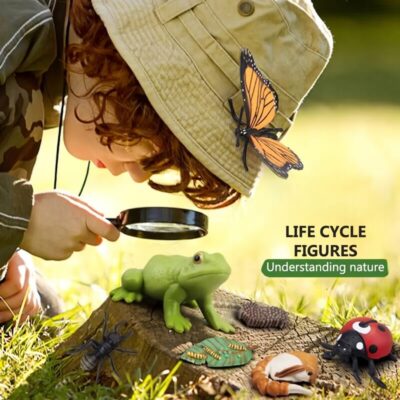
Life cycle figures, insect habitats and gem dig kits are ready-made lessons on ecosystems, geology and observation, indoors or out.
How to choose a nature or dig kit
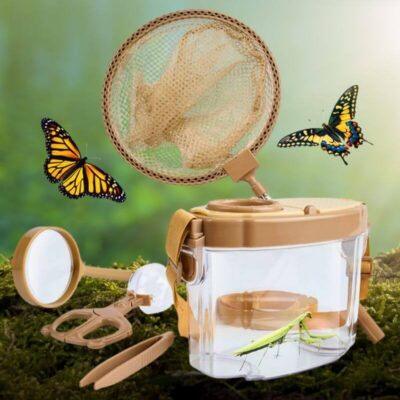
Indoors or out is the first question. Dig kits and life cycle figures fill a rainy afternoon; bug catchers, habitats and the explorer kit are for the garden and the park.
| Type | Best for | Age | Price |
|---|---|---|---|
| Dig kits | Dinosaur egg, gem planets: excavation at the table | 5+ | £22 to £37 |
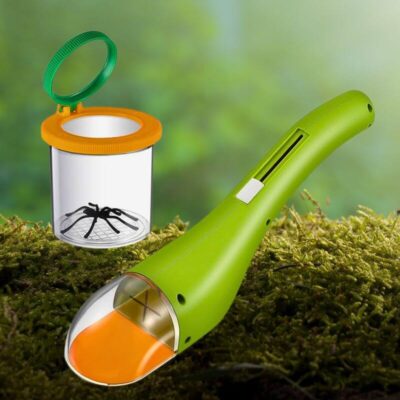
| Bug catching and viewing | Catcher kit, viewer box, magnifier | 4+ | £28 to £37 |
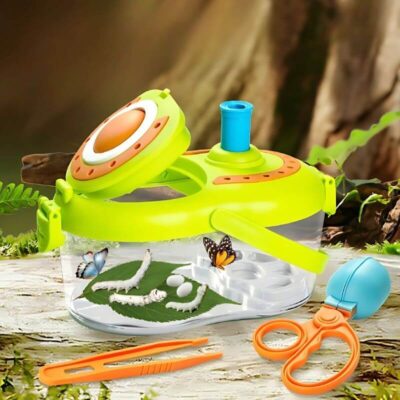
| Habitats and observation | Insect habitat, slime mould (blob) kit | 7+ | £37 to £66 |
| Explorer kits and figures | Vest, binoculars, compass; life cycle sets | 3 to 6+ | £14 to £70 |
Dig kits are messy: plaster everywhere, harmless and easy to sweep. Bug kits are designed for no-contact capture and release. Every product page gives the age and the contents.
The science in two lines
Real palaeontology is the dig kit with the fun kept and the years removed: a fossil is uncovered grain by grain because the rock around it is harder than the bone. The slime mould, Physarum polycephalum, is a single cell with thousands of nuclei that solves mazes to find food, and it will do it on your kitchen table.
Our three bestsellers
(9)
£23,99
Nature & Dig Kits: your questions, answered
What age are dig kits suitable for?
The gem dig kit and the dinosaur egg work from 5 with an adult nearby, since the plaster needs some tapping. The bug catcher and explorer kits suit 4 and up. The insect habitat and the slime mould kit are best from 7.
Are the gemstones in the dig kits real?
Yes. The gem dig kits hide polished semi-precious stones like amethyst, quartz and agate. The dinosaur kits contain plastic figures. The dinosaur fossil plaque is a resin replica, and its product page says so.
How messy is a dig kit?
Messy. It is plaster, so lay down newspaper or do it outside. It sweeps up easily and is harmless, but it does get everywhere, which is part of the appeal for the child.
Do the bug kits hurt the insects?
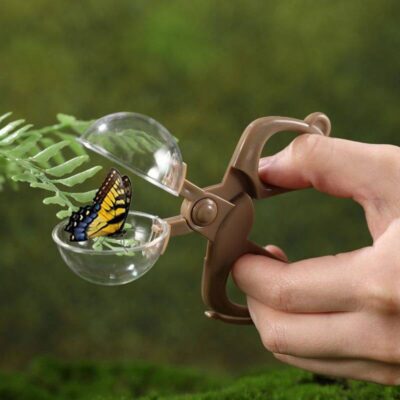
No. The catchers are designed for no-contact capture, the boxes have air holes, and the idea is to observe and release. The booklets explain how to handle small creatures gently.
Which kit works best for a rainy day indoors?
The dig kits and the life cycle figures. The insect habitat and the explorer kit are outdoor tools, best kept for the next dry weekend.
Free UK delivery over £45 and 30 days to return it. For the stones once they are dug out, the crystals and stones; for a closer look at what was caught, the kids microscopes.