

Polaris is easy to find from anywhere in Britain once you know the Plough’s pointer stars. Here is the method, the science and the common myths.
Author Archives: Heinsenberg
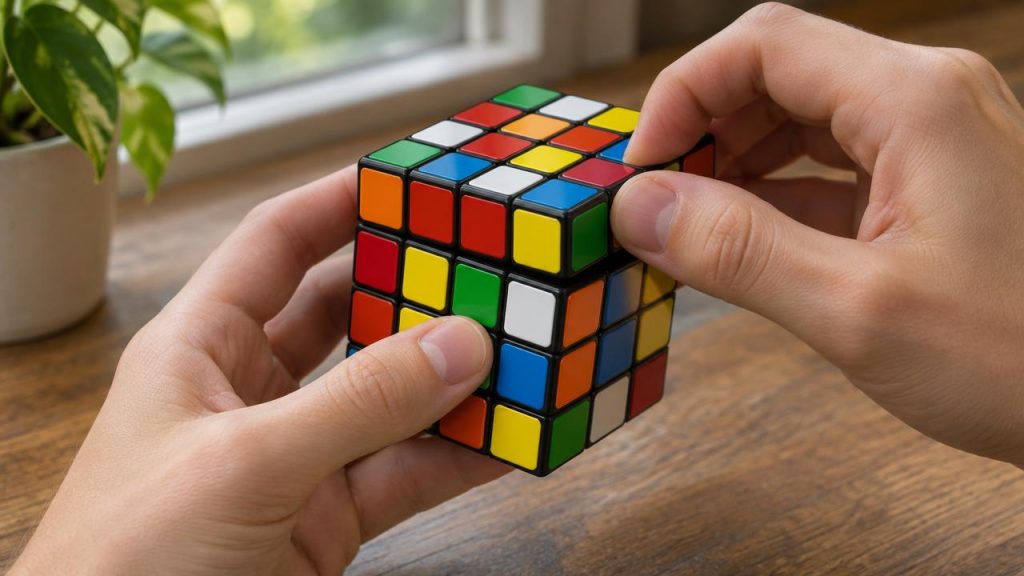
A clear, step-by-step reduction method for the 4×4, from centres and edge pairing to the two parity algorithms that catch out every beginner.
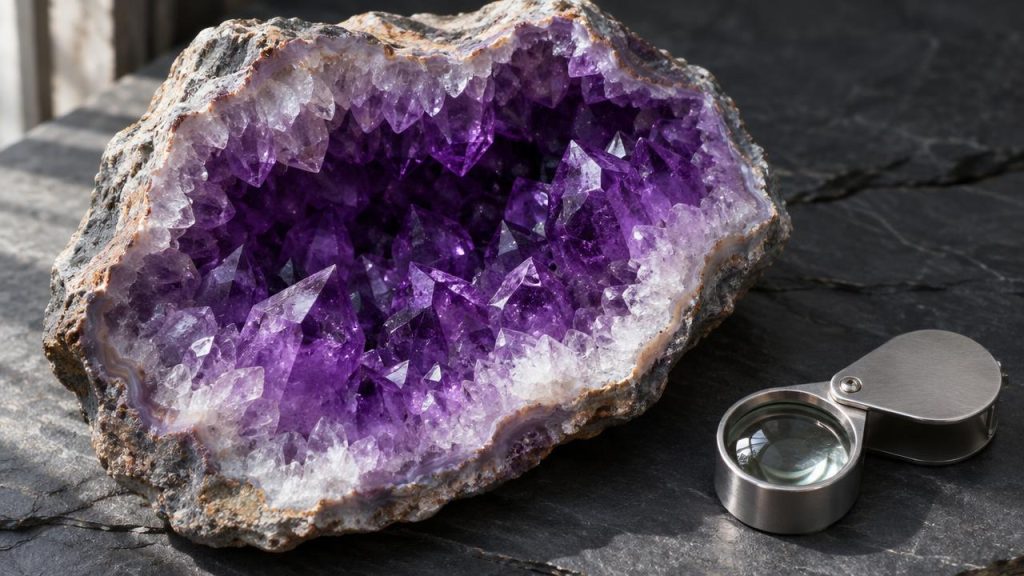
Amethyst is purple quartz coloured by traces of iron and natural radiation. Here is how it forms, why the colour can fade, and how to tell real from fake.
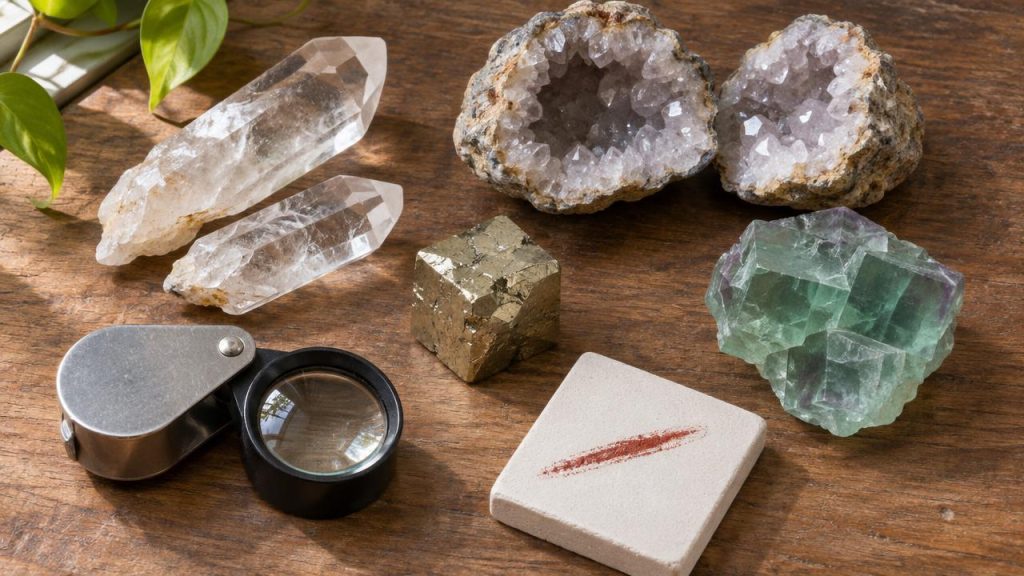
A practical beginner’s guide to rocks and minerals: what separates them, and how to identify a crystal at home with a coin, a tile and a magnifying glass.
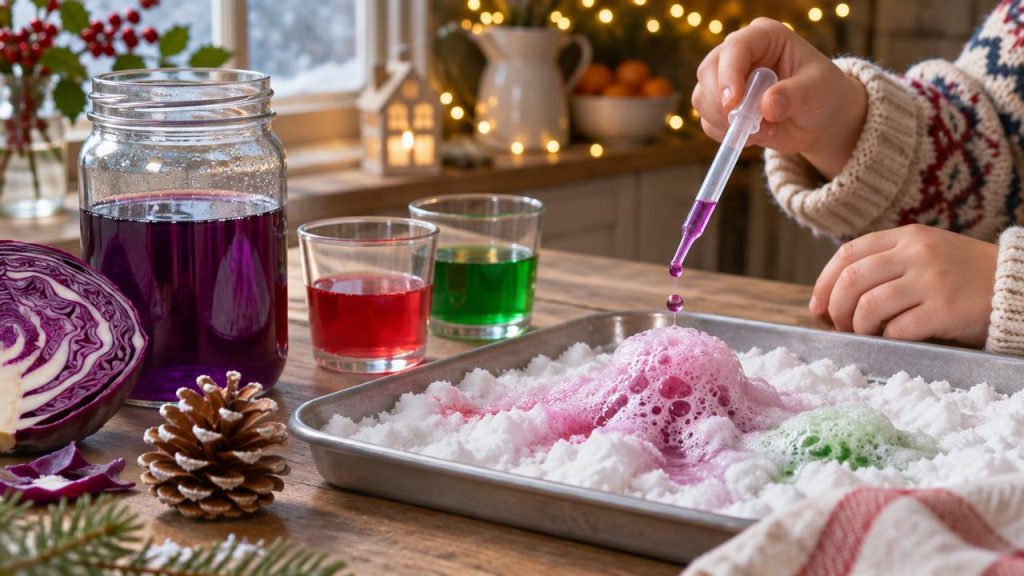
Ten safe, low-cost Christmas science experiments that turn the kitchen into a festive lab, with the science behind each one and simple supervision notes.
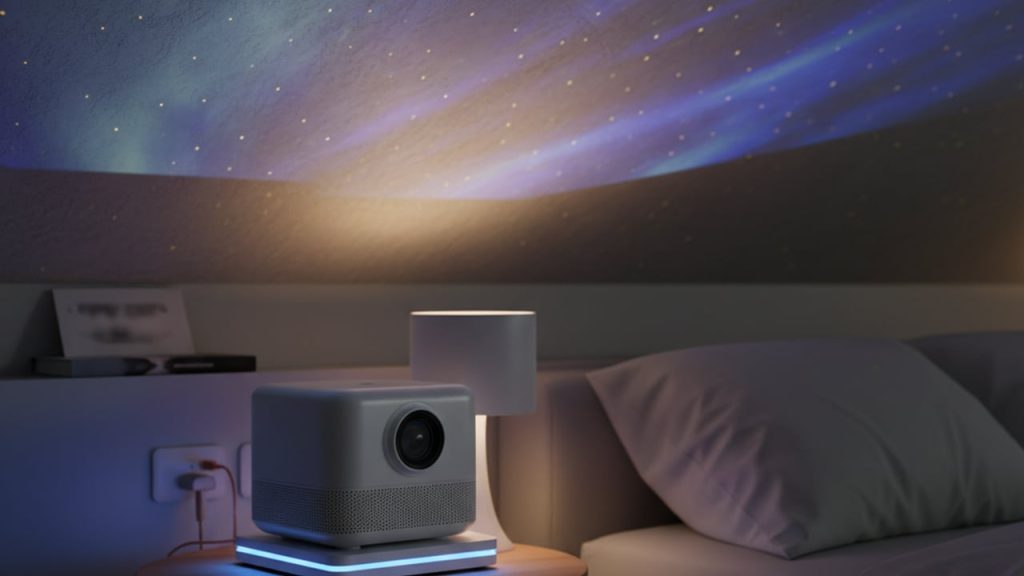
The essential: Always use the power adapter or USB port rated for your projector (usually 5V/1A), never a fast charger meant for phones. Place the unit on a hard, flat, open surface at least 15cm from walls, fabric or bedding to allow heat to dissipate. Most galaxy projectors are not designed to run unsupervised for […]
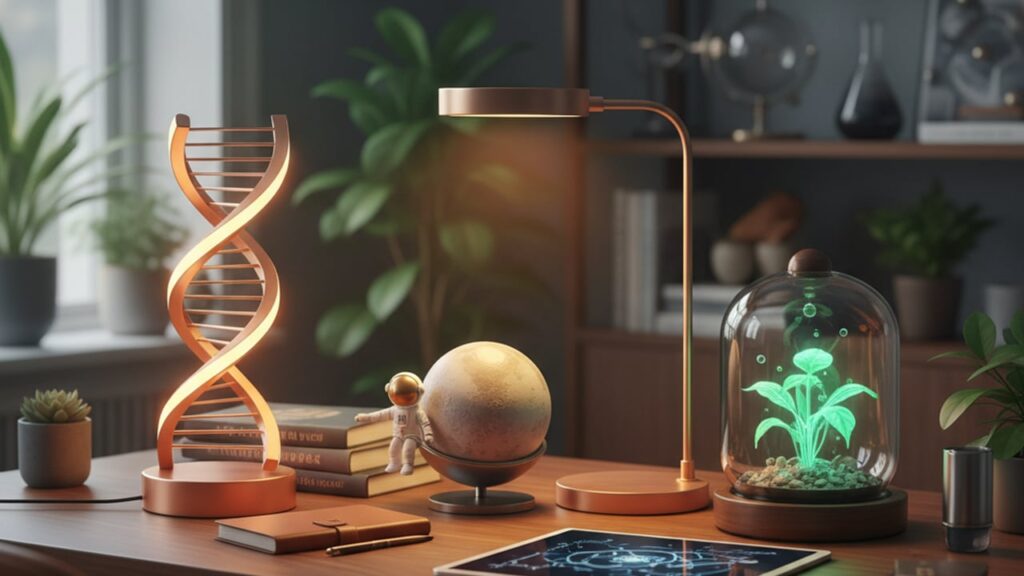
The essentials: Yes: sculptural, kinetic and science-inspired desk lamps exist that double as genuine decor pieces, not just light sources. Look beyond the lighting aisle: plasma globes, light-up weather instruments and glowing science objects often outperform standard lamps as conversation starters. Iconic designs like the Anglepoise (born in Redditch, UK, in 1932) and Tiffany lamps […]
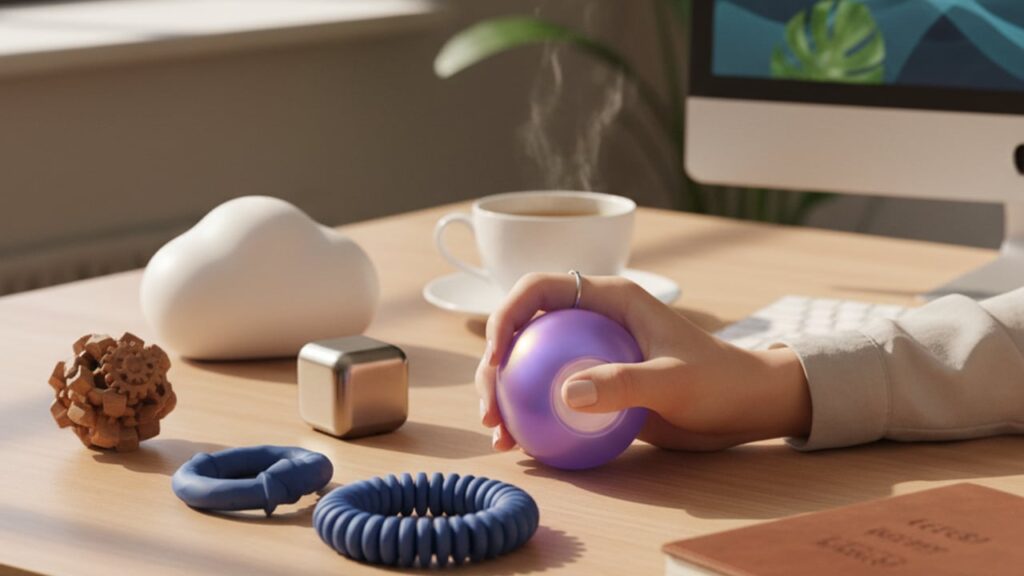
The essentials: The most effective office stress toys are quiet, one-handed, and visually absorbing, think spinning tops, magnetic balls, and tensegrity structures rather than clicky fidget spinners. Repetitive, low-effort hand movement can help channel restlessness during calls or focus work without demanding conscious attention. Noise is the number one office faux pas: anything that clicks, […]

The essentials: Engaging brain teasers for 10-year-olds mix logic, maths, wordplay and spatial reasoning, each one stretching the brain in a different way. The sweet spot is a puzzle that takes 2 to 15 minutes and sits just above the child’s current skill level, not below it. A 10-year-old’s brain is far from finished growing: […]
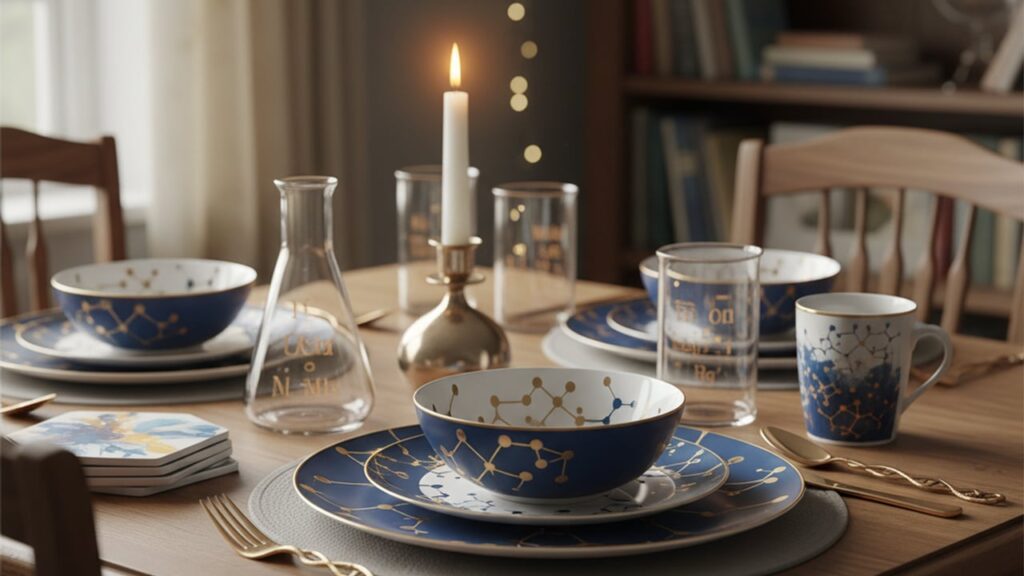
Key takeaways: “Science tableware” covers two things: dinnerware printed with scientific motifs (molecular structures, periodic tables) and genuine science-themed objects used as table centrepieces. UK heritage potteries like Portmeirion and the Stoke-on-Trent “Potteries” district produce botanical and pattern-led crockery, while niche sellers on Amazon and Etsy cover the molecular-print plates. For a truly conversational table, […]