
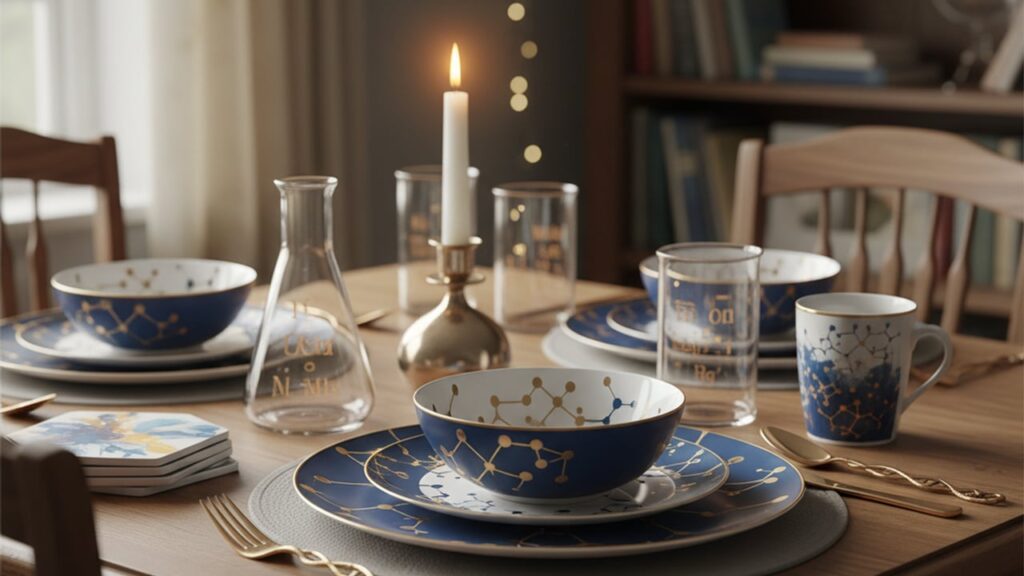
L’essentiel : «Science tableware» covers two things: dinnerware printed with scientific motifs (molecular structures, periodic tables) and genuine science-themed objects used as table centrepieces. UK heritage potteries like Portmeirion and the Stoke-on-Trent «Potteries» district produce botanical and pattern-led crockery, while niche sellers on Amazon and Etsy cover the molecular-print plates. For a truly conversational table, […]
Category Archives: Objects of Science

L’essentiel : A 3D projector sends two slightly offset images to each eye so your brain reconstructs depth, using polarisation, colour-splitting (anaglyph) or active shutter glasses synced at 120Hz. The four main projector technologies are DLP, LCD, LCoS and laser, each handling 3D sync differently. A true «hologram projector» for the desktop isn’t a hologram […]

The essentials: Small, high-powered neodymium magnetic balls are genuinely dangerous if swallowed, especially by children under 14, because two or more magnets can attract through tissue and cause internal injuries. The US Consumer Product Safety Commission (CPSC) and UK bodies including RoSPA have issued repeated warnings since 2012, with recalls and a formal US regulation […]

L’essentiel : A quality Rubik’s cube in 2026 means checking three engineering features first: magnet strength, tension adjustability and corner cutting angle, not just the brand printed on the box. For casual fun, a stickerless budget cube under £10 is fine; for smooth, fast solving, magnetic cubes from Gan or MoYu (£15 to £40) are […]

L’essentiel : A levitating globe uses an electromagnetic base with a Hall effect sensor to hold a lightweight sphere in mid-air, continuously correcting for gravity thousands of times per second. Static magnets alone cannot achieve stable levitation, this is a physical law known as Earnshaw’s theorem (1842), which is why every genuine floating globe hides […]

L’essentiel : The best science gifts for adults in 2026 combine genuine physics or chemistry principles with striking design, think kinetic desk toys, storm glasses and real Tesla coil music devices rather than plastic novelty items. Segmenting by scientific interest (astronomy, physics, chemistry, puzzles) beats a generic top-10 list because adult buyers usually already know […]

The essentials: The best chemistry gifts combine genuine scientific principle with everyday usability, think storm glasses, real element samples, or desk-friendly lab-inspired décor rather than novelty mugs alone. Budget-wise, solid options start around £15 (brain teasers, magnetic sets) and climb past £70 for premium periodic table displays or Stirling engine kits. For students specifically, practical […]

The essentials: A Stirling engine kit is a build-it-yourself model engine that runs on temperature difference alone, no fuel, no batteries, no fumes. The four core parts are the displacer piston, power piston, flywheel and a heat source (candle, hot water or your own hand). Assembly typically takes 30 to 90 minutes and suits curious […]
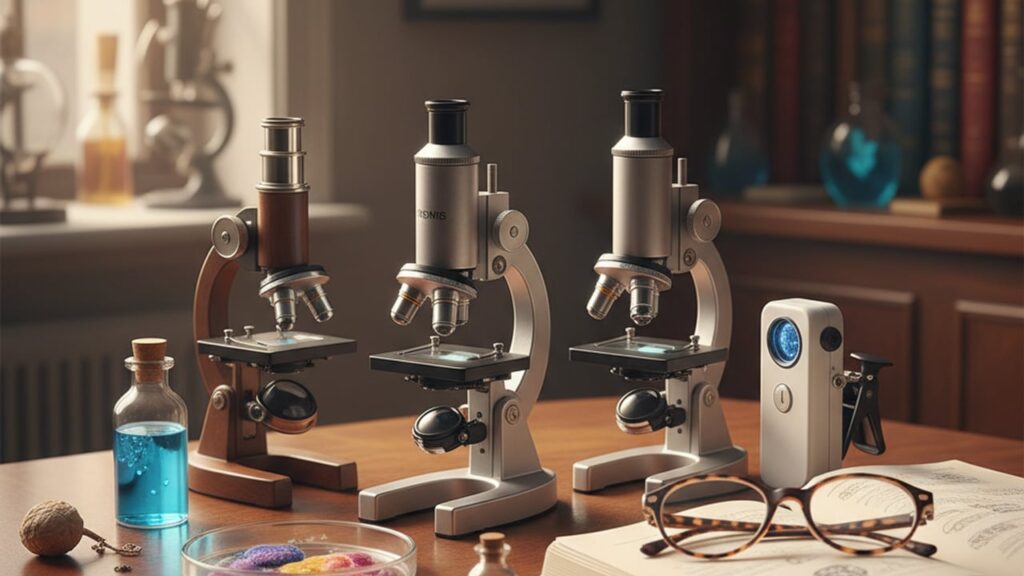
The essentials: A mini microscope is a pocket-sized optical or digital device, typically offering 20x to 60x optical magnification, sometimes boosted to 1000x through digital zoom. Expect to pay anywhere from £7 to £25 in the UK for a reliable pocket model, with premium digital versions reaching £30 to £50. For children aged 8 and […]

L’essentiel : A geek watch is any timepiece whose main appeal is intellectual or cultural: a licensed pop-culture design, a homage to Swiss horology, or a feature-packed smartwatch aimed at tech enthusiasts. The biggest risk in this niche is counterfeit sellers posing as official retailers, so always verify domains and payment methods before ordering. Choosing […]