






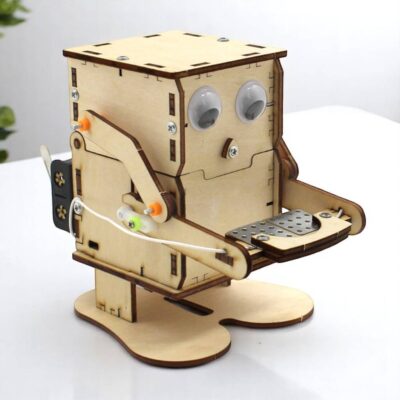
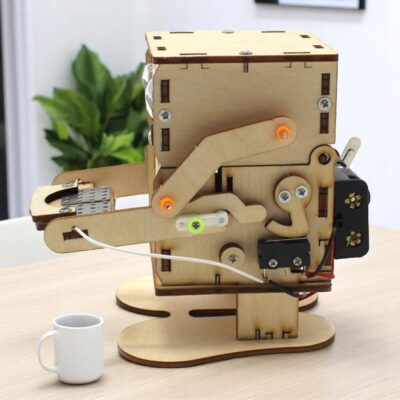
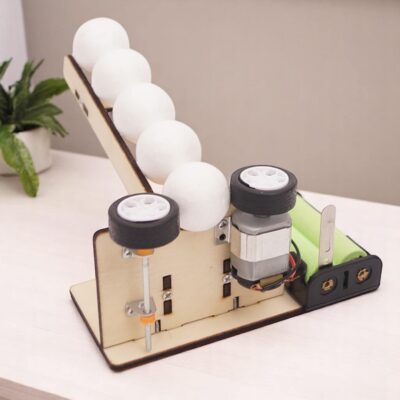
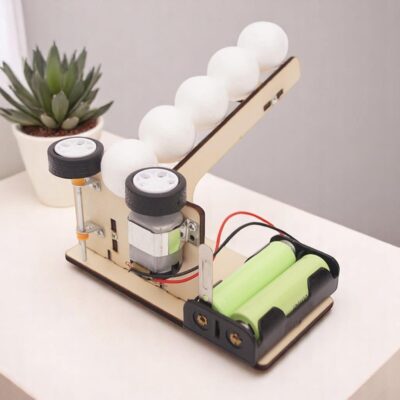


(9)
£23,99


(8)
£14,99
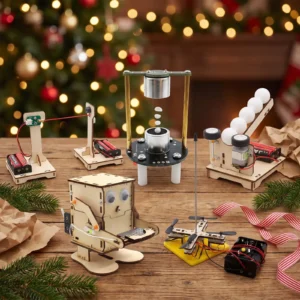
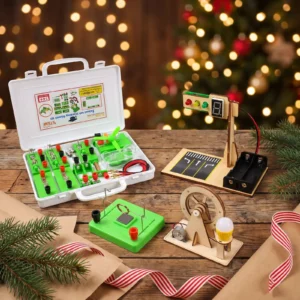
What is a science kit?
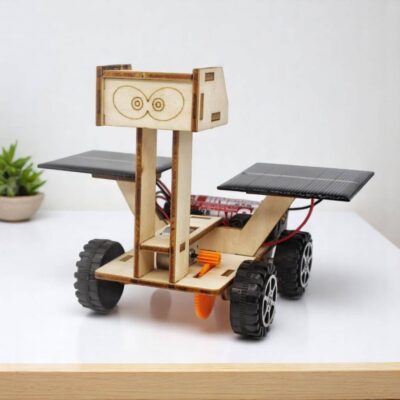
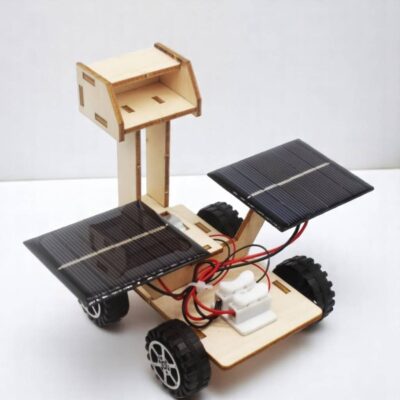
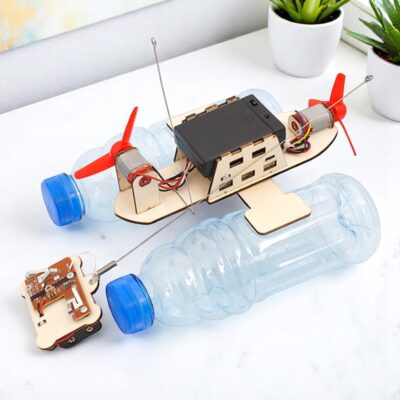
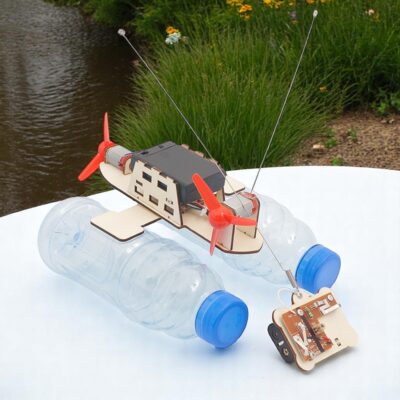
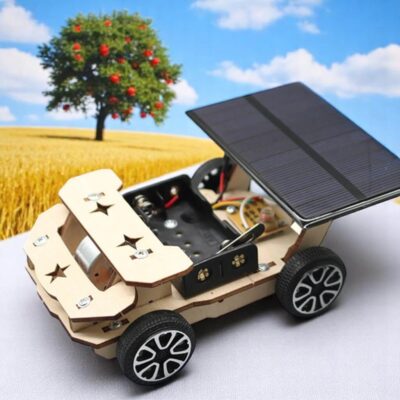
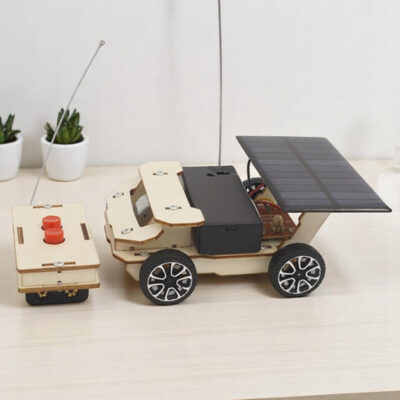
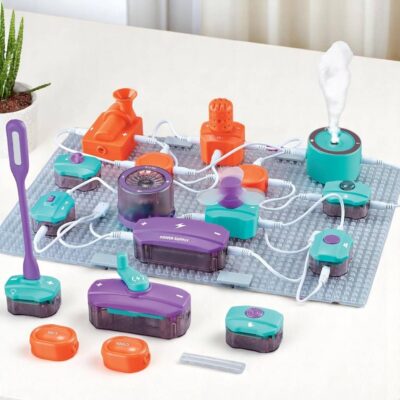
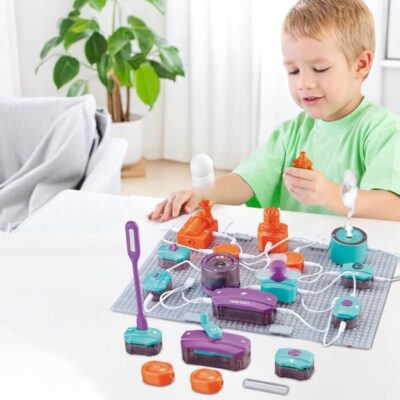
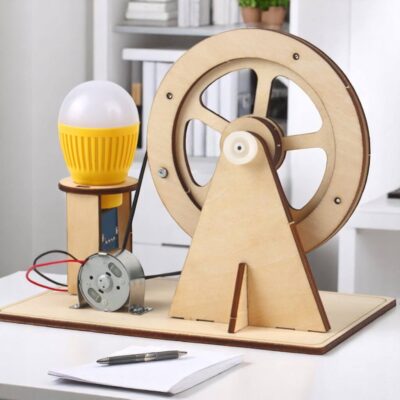
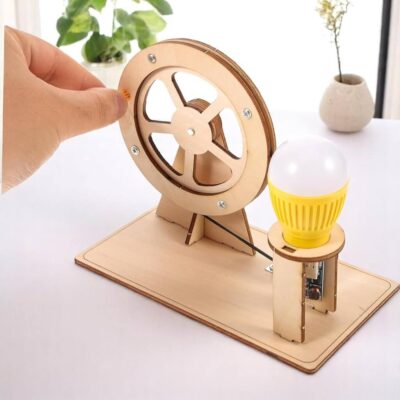
A science kit is a box of parts and instructions for carrying out a real experiment or building a working model at home: a circuit that lights an LED, a crystal that grows on the windowsill, a solar car, a hydraulic arm, an orrery that turns the planets. The ones in this collection are aimed at ages 6 to 14 and at the adults helping them, cover physics, chemistry, engineering and nature, and end with a result you can keep.
67 modelsFrom £11.99Physics, chemistry, engineering, natureAges 5 to 14+, batteries or lightFree UK delivery over £45
Who is this collection for?
🧪
For a curious 6 to 14 year old
The child who asks why the sky is blue and what is inside the remote. A science kit turns the question into an afternoon of building, testing and a result they can keep.
🎁
For a gift that isn't another screen
Parents, grandparents and godparents after something that gets used at the kitchen table rather than on a tablet, and still works next Christmas.
🔬
For teachers and adults who never got the theory
A kit is a two minute demonstration that replaces a page of notes. Home educators, science clubs and grown-ups who want to finally see it happen.
How to choose a science kit
Match the kit to the child's question. Where does electricity come from? Why do crystals grow? How does a machine lift things? What lives in the garden? Each sub-collection answers one of them.
| Collection | Best for | Age | Price |
|---|---|---|---|
| Electricity & Circuits | Circuits, generators, potato clocks | 8 to 14 | £18 to £57 |
| Chemistry & Crystals | Chemistry sets, crystal growing, volcanoes | 8 to 12 | £14 to £74 |
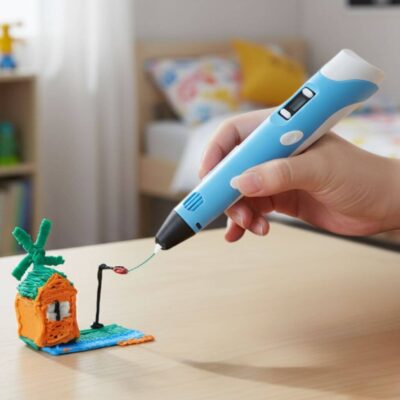
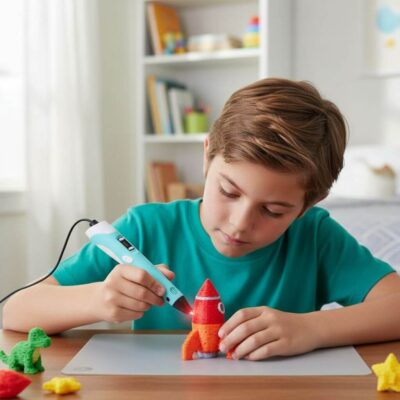
| Engineering & Construction | Engines, hydraulics, marble runs, 3D pen | 8 to 14+ | £18 to £114 |
| Solar & Renewable Energy | Solar cars, robots and turbines | 6 to 10 | £12 to £33 |
| Physics Experiments | Levitation, vortex, orrery, magnetism | 8 to 14+ | £12 to £33 |
| Nature & Dig Kits | Dinosaur and gem digs, bug kits | 5 to 10 | £14 to £70 |
Every kit ships with an illustrated English booklet. Most need 2 or 3 AA batteries, not included; the solar kits need none. Nothing here connects to the mains.
The science in two lines
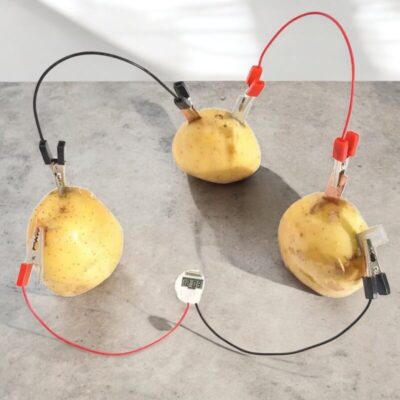
The value of a kit is the order of events: the child sees the thing happen first and hears the explanation second, which is how scientists actually learn. A potato that runs a clock or a cup of water that spins into a vortex is remembered for years; a paragraph about electrochemistry or angular momentum is not.
Our three bestsellers
(8)
£14,99
Science Kits: your questions, answered
What age are science kits suitable for?
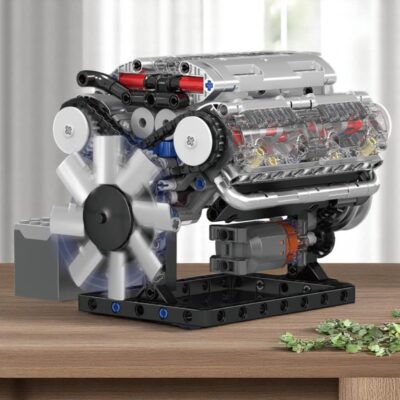
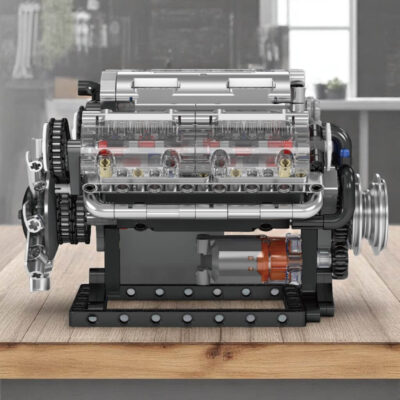
It depends on the family. Solar bugs and dig kits work from 5 or 6, electricity and chemistry sets from 8, the engineering builds from 10, and the V8 engine or the acoustic levitation kit from 14. Every product page gives the recommended age.
Which science kit should I buy first?
For a first experience, pick the one that matches the child's question: a crystal growing kit if they like collecting things, a potato clock if they ask where electricity comes from, a solar car if they like things that move. Cheap, quick, immediate result.
Are the kits safe to use at home?
Yes. Every kit runs on batteries or light, never mains. Chemistry reagents are non-toxic. The only step that needs an adult is hot water for the crystal kits and soldering for one advanced physics kit.
Do the kits come with instructions in English?
Yes, every kit includes an illustrated English booklet. If one is missing or unclear, our customer service sends a digital copy.
Can I use these kits in a classroom or a science club?
Many of them, yes: the orrery, the electromagnet kit, the crystal kits, the solar models and the dig kits are regular choices for school topics. They are sturdy, quick to set up and easy to explain to a group.
Free UK delivery over £45 and 30 days to return it. Not sure which kit fits the age? Our customer service answers seven days a week and will point you to the right box.